Exploring the Role of Computer Vision in USA Universities' Study Ceremonies
Category : |
Sub Category : Posted on 2024-09-07 22:25:23
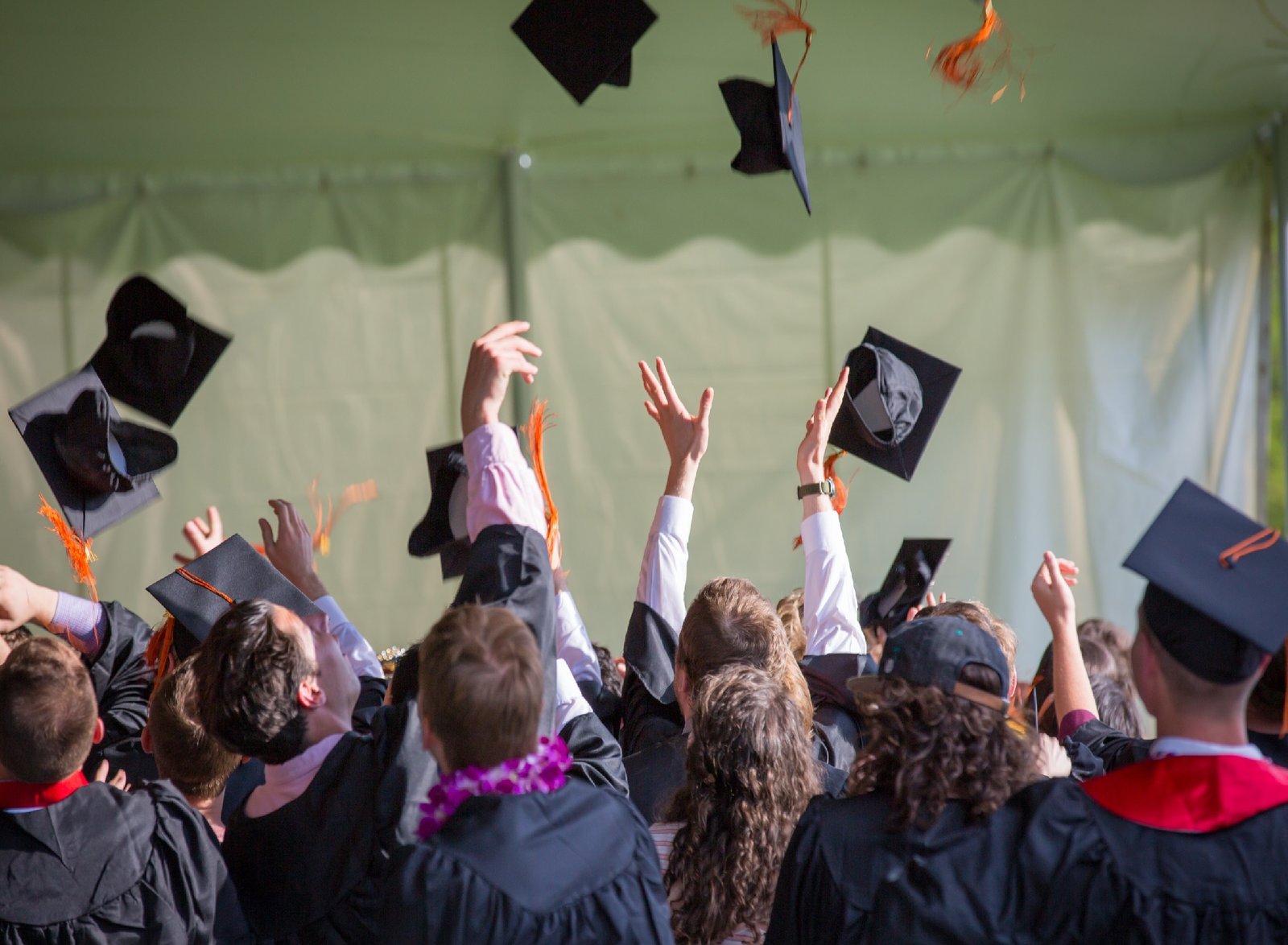
In recent years, the field of computer vision has made significant advancements, revolutionizing various industries and processes. One such area where computer vision technology is being increasingly utilized is in the study ceremonies of universities across the USA. These ceremonies, which mark significant milestones in students' academic journeys, are now being enhanced and streamlined through the integration of cutting-edge computer vision techniques. Traditionally, study ceremonies at universities involve numerous manual processes, such as checking student attendance, verifying identities, and capturing memorable moments through photography or videography. However, with the advent of computer vision technology, these tasks can now be automated, offering a more efficient and modern approach to organizing and executing study ceremonies. One of the key applications of computer vision in study ceremonies is the implementation of facial recognition technology. By utilizing facial recognition algorithms, universities can quickly and accurately verify the identities of attending students and faculty members, eliminating the need for manual check-ins or the use of physical identification cards. This not only saves time and reduces the risk of errors but also enhances the overall security of the event. Moreover, computer vision technology can be leveraged to capture high-quality images and videos during the study ceremony. Advanced cameras equipped with computer vision capabilities can automatically detect and adjust settings for optimal lighting conditions, framing, and focus, resulting in professional-looking visual content that can be easily shared with students, families, and alumni. Another exciting application of computer vision in study ceremonies is the use of drones equipped with computer vision sensors to capture aerial footage of the event. This innovative approach provides a unique perspective and adds a touch of modernity to traditional study ceremonies, creating memorable moments that will be cherished for years to come. Furthermore, computer vision technology can also be used to analyze crowd dynamics and behavior during study ceremonies, providing valuable insights to event organizers for future planning and optimization. By tracking attendance patterns, flow of guests, and other relevant data, universities can improve the overall experience for attendees and streamline logistical processes for future ceremonies. In conclusion, the integration of computer vision technology in USA universities' study ceremonies represents a significant advancement in event management practices. By automating tasks, enhancing security, capturing high-quality visual content, and providing insightful analytics, computer vision is transforming the way study ceremonies are organized and experienced. As technology continues to evolve, we can expect further innovations in this space, ensuring that these milestone events remain memorable and impactful for all participants.


